

What is Restorative Hospitality?
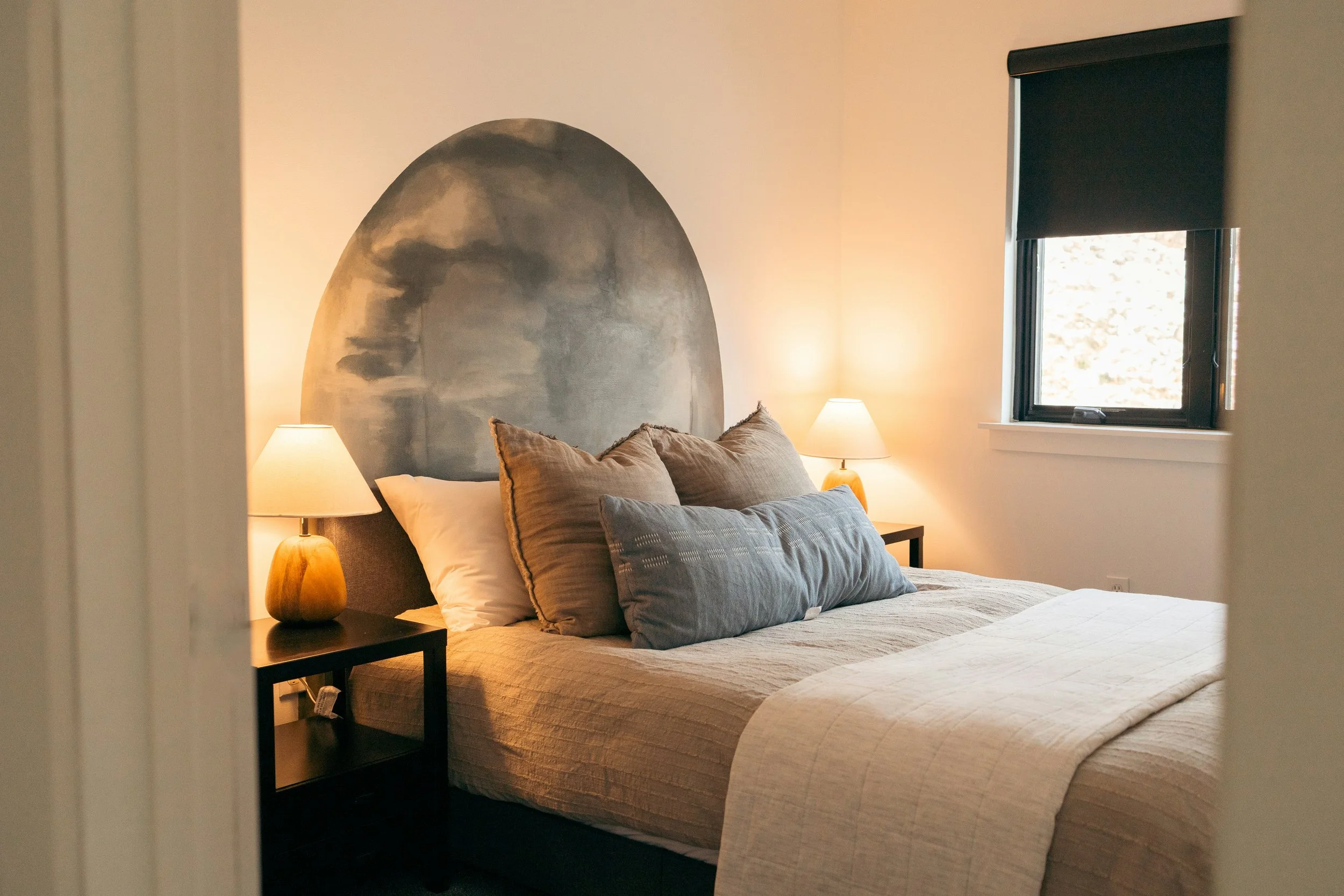
Travel has long been associated with rest, exploration, and renewal.
But increasingly, people are asking more of the environments they stay in.
Not only:
Is it beautiful?
Is it convenient?
But also:
How does it feel to be here?
Do I sleep well?
Do I feel calm?
Do I feel restored after I leave?
As awareness of environmental health grows, expectations for travel are evolving.
The quality of the space itself is becoming part of the experience.
This shift is giving rise to a new lens for hospitality design:
Restorative Hospitality.
Moving Beyond Aesthetics
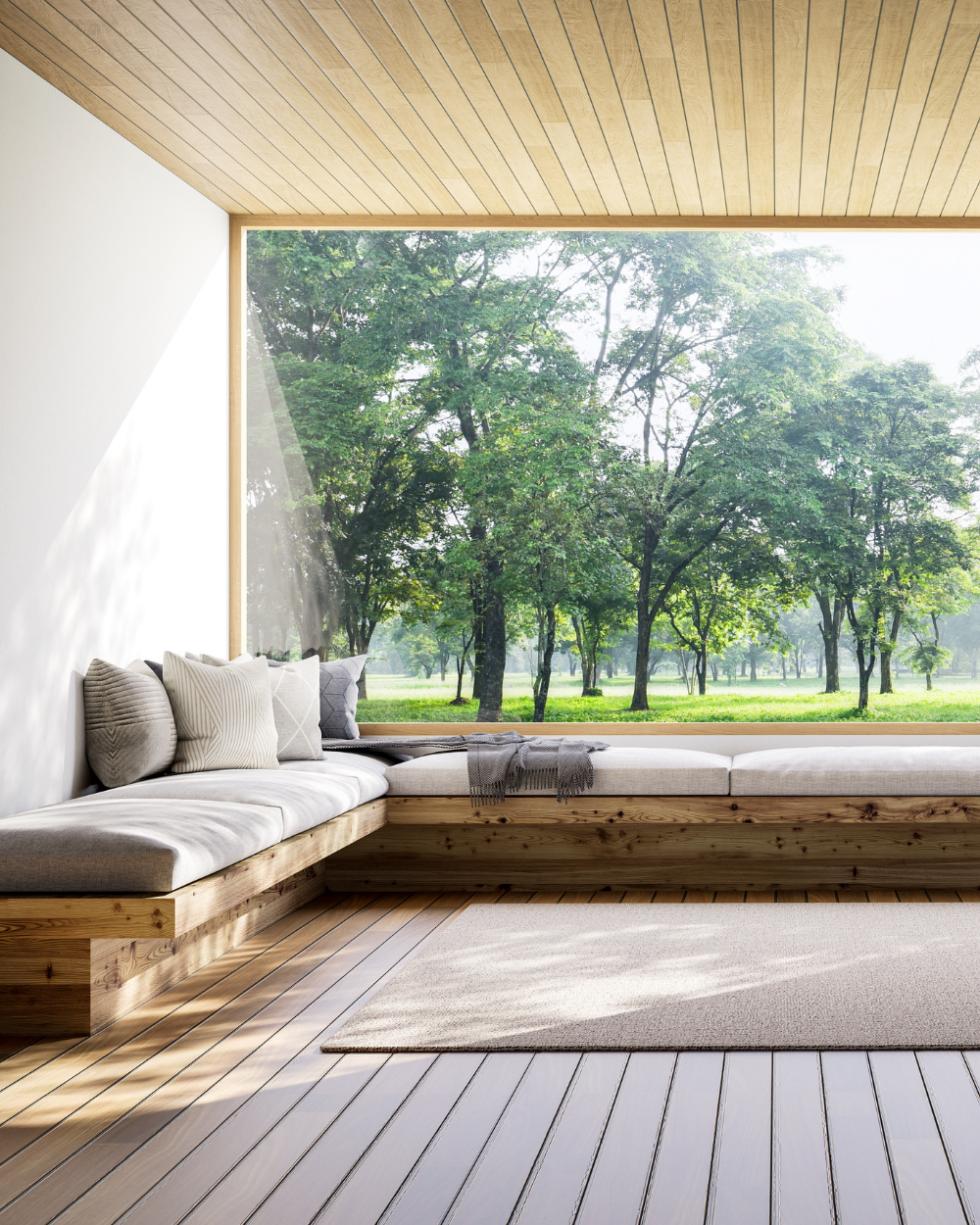
For many years, hospitality design has prioritized visual appeal, comfort, and amenities.
These elements remain important, but guests are increasingly seeking environments that support how they feel physically and mentally during their stay.
Environmental quality influences sleep, cognitive clarity, stress levels, and energy regulation.
Lighting patterns influence circadian rhythm.
Air quality influences respiratory health and cognitive function.
Noise levels influence nervous system activation and recovery.
Material choices influence sensory comfort.
Layout influences how easily people settle into a space.
These influences are often subtle, but cumulative.
Together, they shape how a stay is experienced.
From a neuroscience perspective, the brain is constantly evaluating whether an environment feels safe, stimulating, overwhelming, or restorative — influencing how quickly we settle in and how deeply we recover.
From Wellness Travel to Restorative Environments
The wellness travel sector continues to grow as more travelers prioritize experiences that support overall wellbeing.
According to the Global Wellness Institute, wellness tourism continues to expand as travelers seek experiences aligned with health, longevity, and quality of life.
However, wellness travel is often associated with specific activities — spa treatments, fitness classes, retreats, or specialized programming.
Restorative Hospitality takes a complementary approach.
It considers how the environment itself supports wellbeing, even in the absence of structured programming.
In this way, the space becomes part of the offering.
The stay itself becomes part of the experience.
What Defines Restorative Hospitality?
Restorative Hospitality environments are intentionally designed to support physical comfort, mental clarity, and nervous system regulation.
Rather than relying solely on amenities, they focus on reducing common environmental stressors while supporting conditions associated with restoration.
These environments often consider factors such as:
indoor air quality and ventilation
low-tox and non-toxic materials
comfortable and supportive sleep environments
lighting that aligns with circadian rhythm
acoustic comfort and reduced noise disruption
visual calm and thoughtful sensory design
connection to nature and natural materials
spaces that support relaxation, reflection, or gentle movement
Some environments may also include wellness-supportive amenities such as: sauna or heat therapy, cold exposure or hydrotherapy, spaces for stretching, yoga, or meditation, and walkable surroundings or access to nature.
Not every environment includes all elements.
However, the overall intention remains consistent:
to create a space that supports restoration rather than depletion.
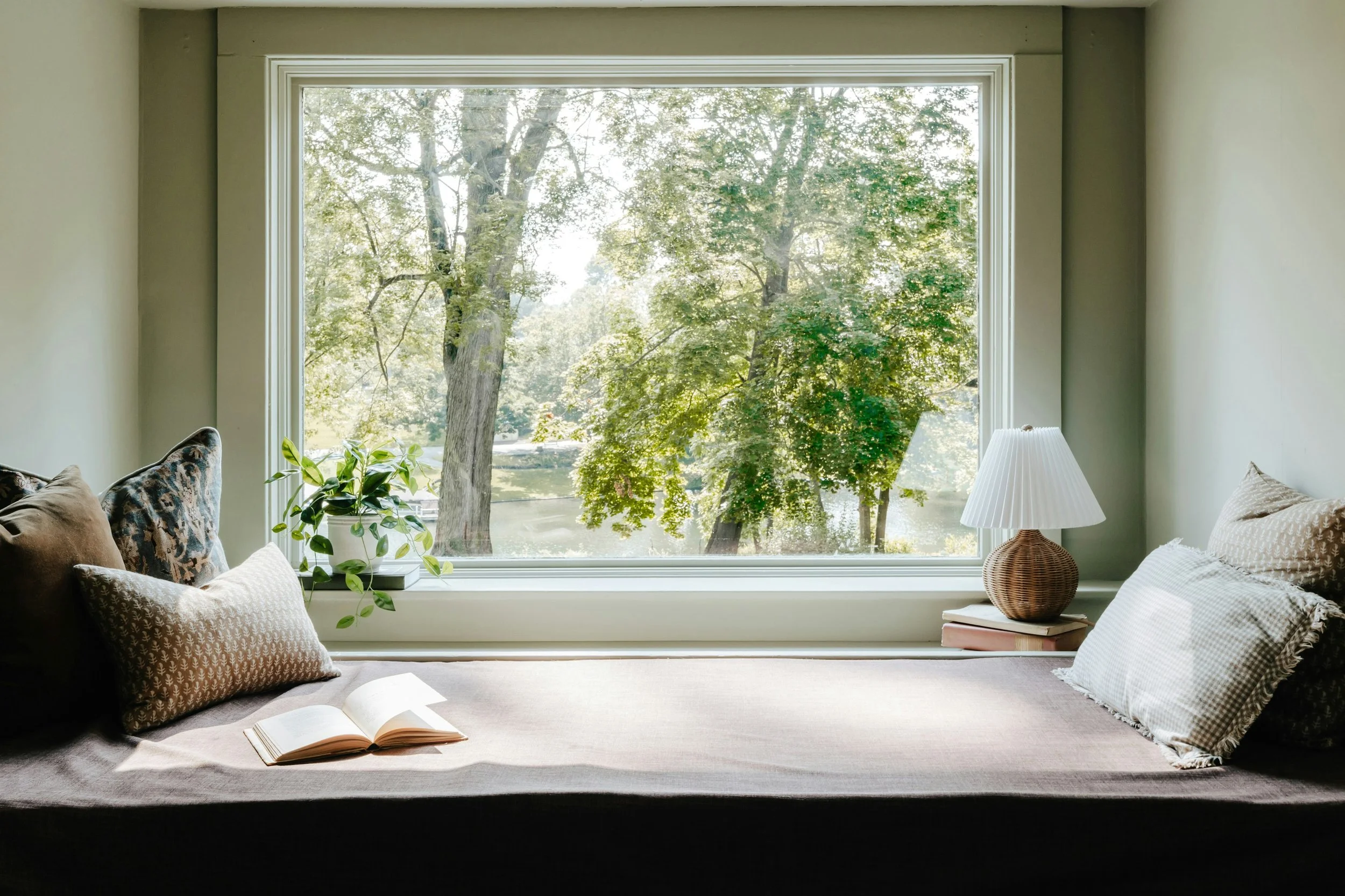
The Role of Environment in How We Feel
Environmental psychology, neuroscience, and healthy building research increasingly demonstrate that indoor environments influence human wellbeing.
The brain and nervous system are continuously processing sensory input from the spaces we inhabit — including light exposure, air quality, acoustic patterns, spatial layout, and visual complexity.
These inputs influence cognitive function, stress response, emotional regulation, and sleep quality, often outside of conscious awareness.
Research from the Harvard T.H. Chan School of Public Health has identified measurable relationships between indoor environmental quality and cognitive performance. Findings from the COGfx study demonstrated significantly higher cognitive function scores in environments with improved ventilation and reduced indoor pollutants.
Neuroscience research also suggests that environments perceived as safe, ordered, and supportive may help regulate the autonomic nervous system, supporting shifts toward parasympathetic states associated with restoration and recovery.
Frameworks such as the International WELL Building Institute incorporate these insights by evaluating environmental factors including air quality, water quality, light exposure, acoustic comfort, thermal stability, and mental wellbeing.
Together, these disciplines reinforce a simple idea:
the spaces we inhabit influence how we think, feel, and function.
As this understanding grows, hospitality design is increasingly informed not only by aesthetics, but by how environments influence human experience at both physiological and psychological levels.
Why This Matters for the Future of Travel
Travelers are increasingly seeking experiences that feel meaningful, restorative, and aligned with overall wellbeing.
Environments that support better sleep, reduced stress, and greater comfort often contribute to more positive guest experiences.
They may also encourage longer stays, repeat visits, and stronger emotional connection to place.
As awareness continues to grow, environments that support wellbeing are likely to become increasingly valued.
Restorative Hospitality reflects a broader shift:
from designing spaces that simply look good, to designing spaces that help people feel better.
Sana’s Perspective
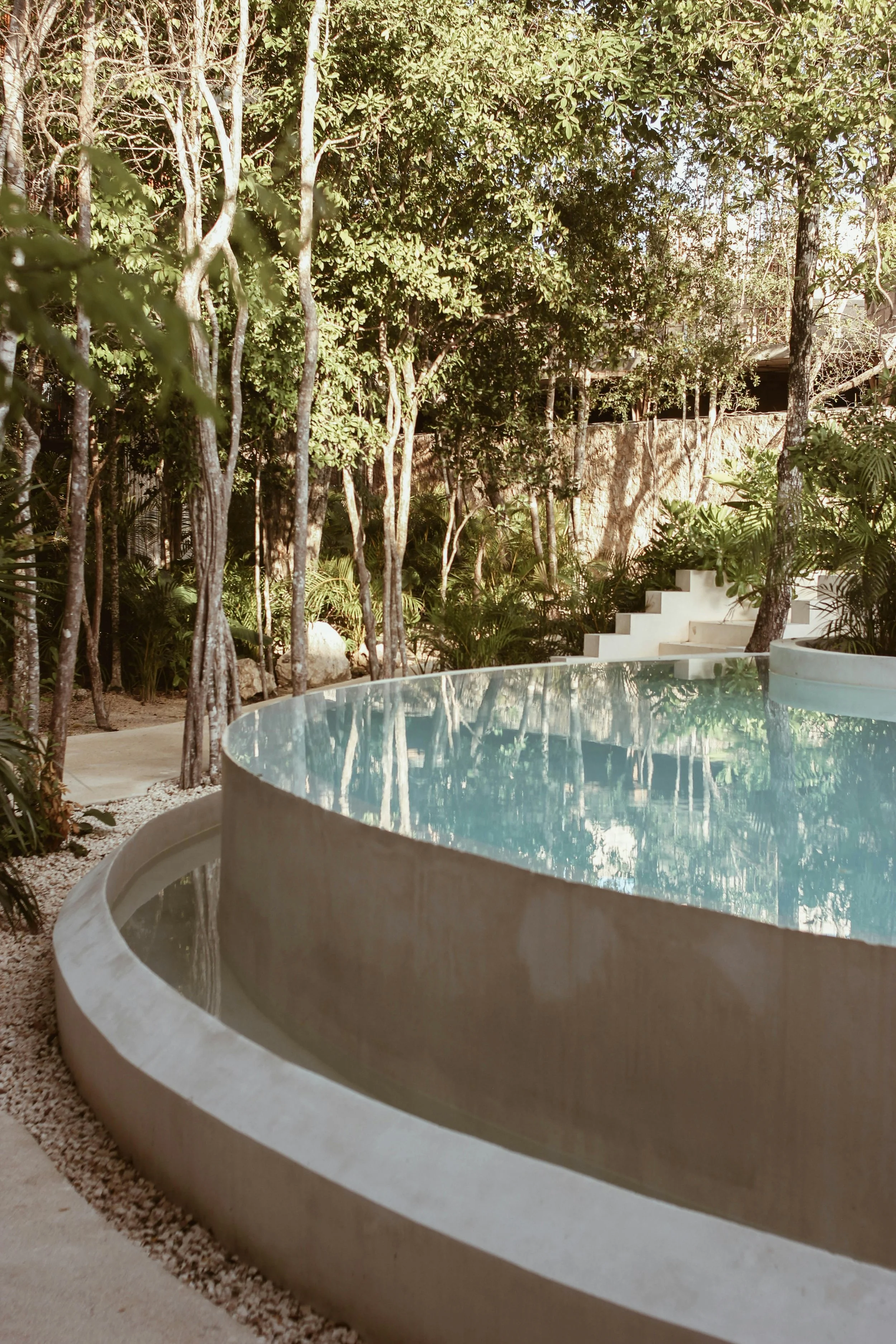
At Sana, we view Restorative Hospitality as a natural extension of Residential Wellness principles applied to travel environments.
Just as people are becoming more aware of how their homes influence wellbeing, travelers are becoming more aware of how accommodations influence how they feel during and after a trip.
Our work focuses on helping homeowners, hosts, and hospitality operators create environments that support:
restorative sleep
sensory calm
environmental quality
meaningful connection
opportunities for renewal
We believe travel can support wellbeing.
We believe environments can support restoration.
We believe people should have the opportunity to Travel Well and Live Well.
Where every stay restores you.
Interested in creating a more restorative environment?
Explore:
Healthy Home Consulting
STR Hospitality Consulting
Or subscribe to receive future articles on residential wellness, healthy homes, and restorative travel.