

Introducing the Sana Framework
The Five Pillars of Residential Wellness and Restorative Hospitality

As awareness of environmental health grows, many people are beginning to ask a deeper question:
What actually makes a home feel good?
Not simply beautiful.
Not simply comfortable.
But truly supportive of how we live, feel, and function over time.
We now know that our environments influence far more than aesthetics. Indoor air quality, water quality, materials, light exposure, acoustics, temperature, and sensory experience all shape how the body responds to a space.
They influence sleep quality, stress levels, cognitive clarity, emotional regulation, and overall resilience.
This is the thinking behind Residential Wellness — and it is also the foundation of what Sana is building.
The Sana Framework was created to bring these ideas together in a way that is clear, practical, and human-centered.
It offers a lens for understanding how environments interact with the body, the nervous system, and daily life.
Whether applied to a personal residence, a retreat home, or a hospitality environment, the goal is the same:
to create spaces that actively support health, restoration, and a return to wholeness.
Why a Framework Is Needed
There is no shortage of wellness advice today.
People are exposed to information about indoor air, water filters, sleep optimization, circadian lighting, mold, non-toxic materials, biophilic design, fitness, recovery tools, and countless products marketed as “healthy.”
Much of this information is useful. Much of it is also fragmented.
Without a framework, it becomes difficult to know where to start, what matters most, and how these different elements relate to one another.
The Sana Framework helps organize what can otherwise feel overwhelming.
It is based on a simple understanding:
a healthy environment is not created through one isolated upgrade. It is created through multiple interacting conditions that support the body rather than quietly burden it.
Each pillar represents one dimension of how the built environment interacts with human wellbeing.
Together, they form a holistic model for healthier homes and restorative hospitality.
The Sana Framework
The Sana Framework is a structured methodology developed to help translate emerging research in environmental health, neuroscience, and human-centered design into practical application.
It brings together multiple disciplines — including healthy building science, circadian biology, biophilic design, neuroscience, wellness, and hospitality experience design — into a clear model that can be applied across homes, retreats, and hospitality environments.
The framework is organized around five pillars:
Inputs: Foundational Elements
Healthy Materials
Sensory Environment
Regenerative Environment
Behavior & Human Experience
These pillars represent how a home or hospitality space interacts with the body.
Each one plays a different role.
Together, they help explain why some spaces feel depleting, while others feel deeply restorative.
Pillar One: Inputs
Foundational Elements
At the most basic level, human wellbeing is shaped by what comes into the body every day.

The air we breathe.
The water we drink.
The invisible environmental exposures that either support health or create ongoing physiological stress.
This is why the first pillar focuses on air and water.
If the foundational inputs of daily life contain hidden pollutants, contaminants, or irritants, the body is constantly working in the background to process them. That invisible effort may not always be dramatic, but it is cumulative.
Indoor air quality has been associated with cognitive performance, respiratory function, and fatigue. Research from Harvard’s Healthy Buildings program and the COGfx study helped bring greater visibility to the relationship between ventilation, pollutant exposure, and decision-making performance.
Water quality is equally important. The quality of drinking water, bathing water, and overall household water systems can influence hydration, skin health, toxic burden, and peace of mind.
When we improve air quality and water quality, we help create a cleaner baseline.
This allows the body to spend less energy defending itself and more energy supporting repair, regulation, and vitality.
For many homes, this is one of the highest-impact places to begin because these inputs affect us continuously, every day.
This pillar may include:
filtration and ventilation
moisture and mold awareness
reduction of environmental pollutants
drinking water quality
bathing exposure reduction
hydration-supportive infrastructure
Pillar Two: Healthy Materials
Integrity of the Environment
The second pillar focuses on what the home is made of — and what we place on and around the body every day.

Materials matter because they determine much of our ongoing environmental exposure.
The surfaces we touch.
The scents we inhale.
The textiles we sleep on.
The products used to clean, soften, polish, preserve, or perfume the home.
When we choose lower-tox, well-vetted materials and products, we reduce unnecessary chemical burden and help align the structural integrity of the home with the biological integrity of the body.
This pillar is about more than avoiding harm. It is about creating trust within the environment.
A home begins to feel more supportive when the materials surrounding us are chosen with care.
In the context of Residential Wellness, this may include natural or lower-tox furnishings, better bedding and textiles, low-VOC finishes, reduced fragrance exposure, and household products that support health rather than quietly compromise it.
This is also where many people begin to feel a shift emotionally.
A home designed with material integrity often feels cleaner, quieter, more honest, and more grounded.
This pillar may include:
low-tox and non-toxic materials
lower-VOC finishes
trusted textiles and furnishings
reduced fragrance exposure
safer cleaning and laundry products
lower overall environmental chemical burden
Pillar Three: Sensory Environment
Circadian + Nervous System Support
Human beings are not designed to live in constant sensory disruption.

The nervous system is always evaluating its surroundings, often outside of conscious awareness.
Light, sound, temperature, visual complexity, and spatial order all influence whether an environment feels calming, overstimulating, grounding, or stressful.
This is the role of the third pillar.
The Sensory Environment focuses on how a space aligns with the body’s natural rhythms and supports nervous system regulation.
Circadian health is a central part of this. Light exposure influences sleep-wake cycles, hormone rhythms, and energy patterns throughout the day. Environments with stronger daylight cues during waking hours and reduced harsh light exposure at night can better support restorative sleep.
Acoustic comfort matters as well. Noise disruption influences stress response, sleep quality, and cognitive load. Visual calm matters too. Cluttered or overstimulating spaces can subtly increase mental fatigue, while spaces with greater coherence often feel easier to inhabit.
The goal of this pillar is not sterile perfection. It is biological alignment.
Spaces that support the body’s rhythms tend to feel more intuitive, more balanced, and more restorative from morning to night.
This pillar may include:
circadian-supportive lighting
darker, quieter sleep environments
comfortable temperature regulation
reduced nighttime light exposure
acoustic comfort
visual calm and reduced sensory overload
Pillar Four: Regenerative Environment
Connection to Nature
Humans are not separate from nature. We are part of it.

And yet many modern environments are designed in ways that disconnect us from the natural conditions that help regulate the body and restore the mind.
The fourth pillar focuses on the environment itself — how the space is designed and built to support connection to natural patterns.
This includes natural light, fresh air, organic materials, views of nature, indoor plants, indoor-outdoor flow, and environments that feel alive rather than sealed off from the world.
Biophilic design research suggests that contact with natural elements may support lower perceived stress, improved mood, and stronger cognitive restoration. Even subtle design choices — wood, stone, organic textures, daylight, a visual relationship with the outdoors — can change how a space feels in the body.
A regenerative environment replenishes energy not through stimulation, but through reconnection.
It invites the outside in.
It creates conditions that feel more breathable, more spacious, and more aligned with how humans evolved to live.
This pillar may include:
natural light exposure
views of nature
natural and organic materials
indoor plants
wood, stone, and tactile natural elements
fresh air and indoor-outdoor flow
Pillar Five: Human Experience
Behavior, Ritual, Wellness, and Connection
The fifth pillar is where the lived experience comes into focus.
If the first four pillars establish the conditions for wellbeing, the fifth is about what those conditions make possible.
How we move through the space.
How we gather.
How we recover.
How we connect to ourselves and to others.
How the environment supports the rhythms and rituals of daily life.
This pillar brings together behavior, wellness, fitness, recovery, and human connection.
A healthier environment does not exist only to reduce harm. It should also make supportive behaviors easier to sustain.
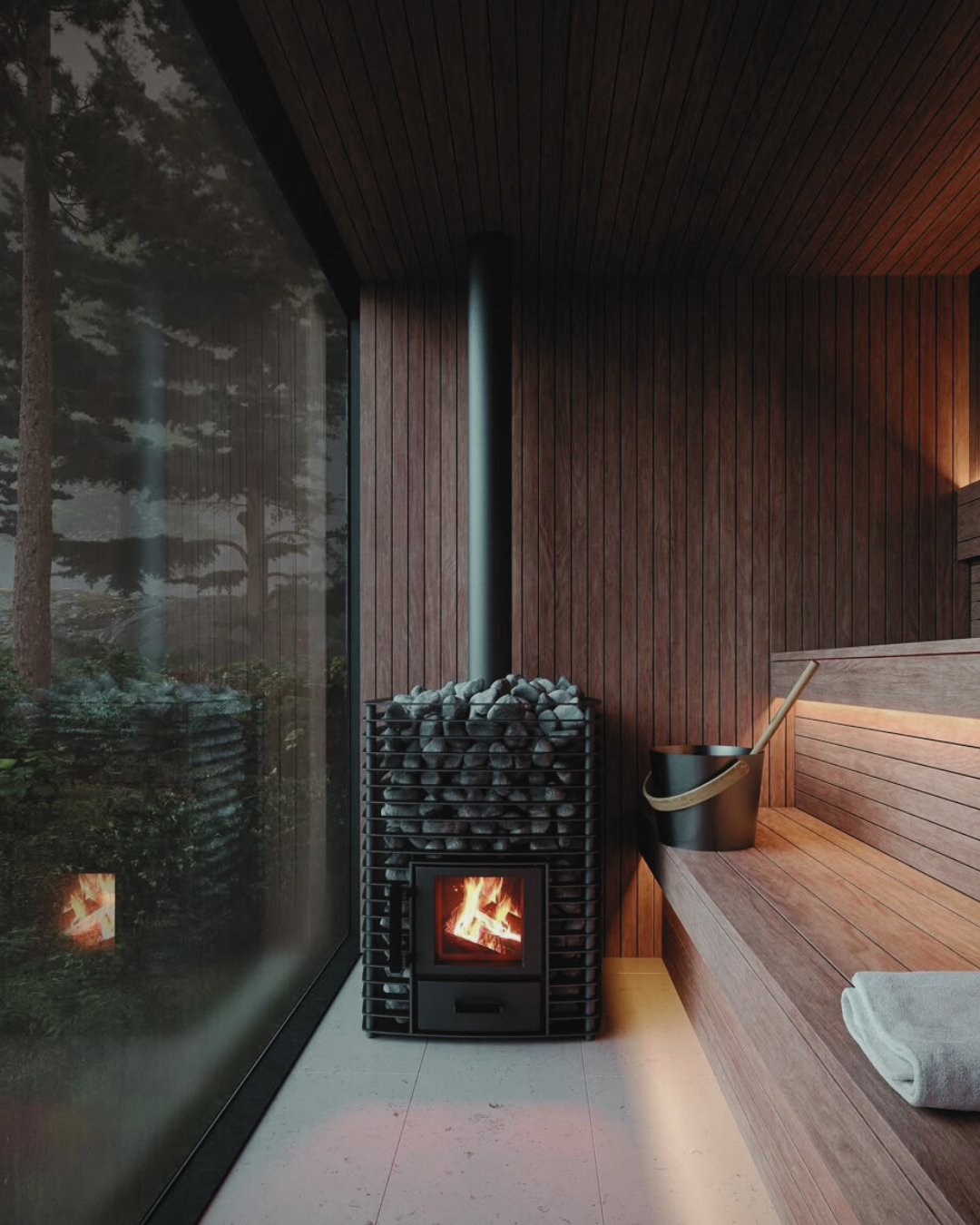
That might mean a space for stretching, yoga, or movement. It might mean walkable surroundings or access to nature. It may include fitness-oriented design, hydrotherapy, sauna, cold exposure, restorative bathing, or environments that encourage slower evenings and better wind-down rituals.
It also includes the social dimension of wellbeing.
Shared meals.
Meaningful conversation.
Gathering spaces that foster presence rather than distraction.
Layouts that support both privacy and connection.
Longevity and wellbeing research consistently reinforce that health is shaped not only by what we consume or avoid, but by movement, belonging, recovery, and daily rhythm.
This is often the pillar people feel most deeply.
It is the part of the environment that cannot always be explained immediately, but is often remembered.
This pillar may include:
spaces for movement, yoga, or fitness
hydrotherapy, sauna, or recovery-oriented amenities
supportive routines and rituals
spaces for reflection or meditation
gathering areas that encourage connection
kitchens and dining environments that support nourishment
Together, these pillars form the foundation of the Sana Framework — a model designed to guide both Residential Wellness and Restorative Hospitality environments.
How the Sana Framework Is Applied
The Sana Framework informs all Sana consulting and design work.
It is used to evaluate and improve environments for:
private residences, rental homes, Airbnb and short-term rentals, retreat spaces, farm stays, boutique hotels, glamping environments, wellness-focused hospitality concepts, immersive experiential stays.
By applying the framework consistently, we are able to identify opportunities to reduce environmental stressors, improve sleep quality, support nervous system regulation, and enhance overall guest or resident experience.
Each project is unique, but the underlying principle remains the same:
create environments that support human wellbeing rather than quietly deplete it.
This structured approach allows homeowners, hosts, and hospitality operators to make informed decisions about where to invest for the greatest impact.
Looking Ahead
As awareness of environmental health and restorative environments continues to grow, the need for clarity and standards is becoming more evident.
The long-term vision for Sana is to evolve this framework into a globally recognized reference point for healthier homes and restorative hospitality environments.
Through Sana Certified™, the framework will support a consistent method for evaluating environments based on factors that influence wellbeing, sleep, environmental quality, and human experience.
For hospitality operators, this creates an opportunity to differentiate through measurable commitment to healthier environments.
For travelers, it provides greater confidence in selecting spaces aligned with their wellbeing.
For early adopters, it offers the opportunity to help shape what this emerging category becomes.
As the market continues to evolve, environments designed for human wellbeing are likely to become not only desirable — but expected.
How the Sana Framework Relates to Residential Wellness
The broader field of Residential Wellness encompasses many interrelated design factors:
environmental quality, sleep and circadian health, sensory experience, biophilic design, movement and physical wellbeing, mental and emotional wellbeing, social connection, nourishment and daily rituals
The Sana Framework does not replace these ideas. It organizes them.
It brings them into a more elegant, memorable structure that can be applied across both homes and hospitality environments.
This is one of the reasons the framework is useful.
It helps people move from scattered ideas to a more coherent understanding of what actually makes a space supportive.
From Residential Wellness to Restorative Hospitality
These same principles do not stop at the home.
As travelers increasingly prioritize sleep, wellbeing, nature connection, and meaningful experiences, these ideas naturally extend into hospitality.
This is where Sana’s emerging concept of Restorative Hospitality comes in.
Restorative Hospitality applies the logic of residential wellness to the places where people stay, retreat, and recover away from home.
It asks:
How can a stay actively support how someone feels?
How can an environment reduce depletion and support restoration?
How can hospitality become part of wellbeing, not separate from it?
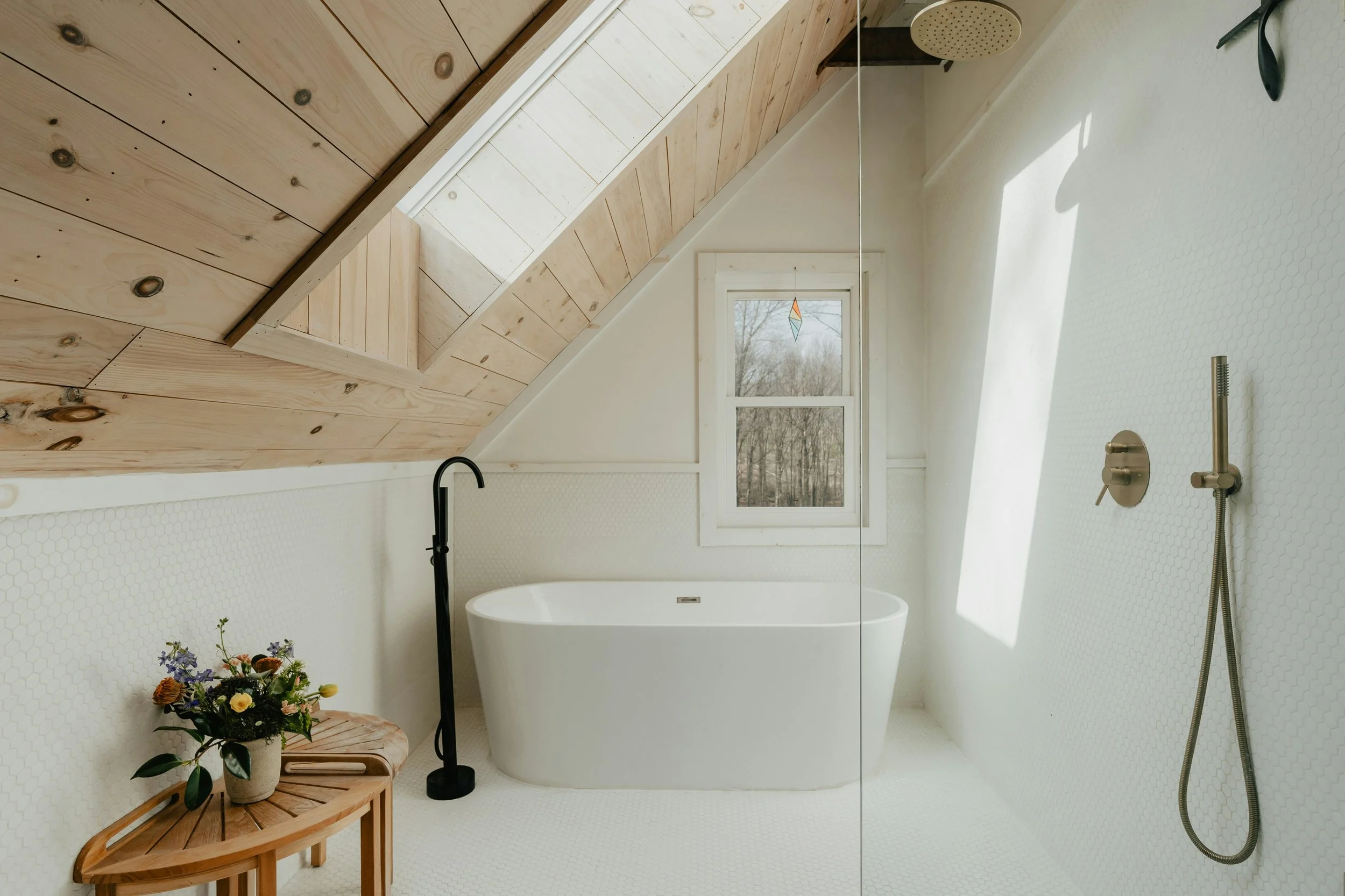
This includes environmental quality, material integrity, sensory calm, opportunities for movement and recovery, connection to nature, and spaces that foster both reflection and human connection.
In this way, the Sana Framework becomes relevant not only for healthier homes, but for the future of travel as well.
The Goal: A Return to Wholeness
The ultimate goal of a Sana environment is not simply beauty.
It is wholeness.
A home that supports the body physically, mentally, and emotionally.
A stay that restores rather than depletes.
An environment that helps people feel more like themselves again.
When these five pillars come together, you do not just have a beautiful home.
You have a home that actively supports your health.
And that, increasingly, is what people are seeking.
The future of healthy homes and restorative travel will not be shaped by trends alone.
It will be shaped by deeper understanding.
By recognizing that the spaces we inhabit influence how we sleep, think, recover, connect, and live.
The Sana Framework was created as a way to make that understanding practical.
To offer a model for designing spaces that support human wellbeing.
To help people Travel Well and Live Well.
Where every stay restores you.
If you are interested in creating a healthier home or a more restorative hospitality environment, explore:
Healthy Home Consulting
STR Hospitality Consulting
Or subscribe for future articles as we continue building out the Sana Framework.