

The Meaning of Sana
What does it mean to truly feel well in the places we live and stay?
Most of us recognize the feeling when we enter a space that immediately allows us to exhale. The light feels soft. The air feels clean. Our body settles. Our thoughts become clearer. We feel more present.
We may not always be able to explain why a place feels good — but we feel the difference.
Sana was created from the belief that our environments should actively support our health, our vitality, and our sense of connection to ourselves, to others, and to the natural world.
Our homes and travel environments have the ability to influence how we sleep, how we think, how we recover from stress, and how we experience daily life.
Sana represents a vision for spaces that do more than simply look beautiful — spaces that help us feel restored.
Where the Word Sana Comes From

The word Sana has roots in Latin, connected to the word sanare which means:
to heal
to restore
to make whole
It also shares origins with the words:
sanus — healthy, sound, balanced
sanitas — health
sanctuary — a place of refuge and protection
Across languages and traditions, these ideas are connected to the concept of returning to a natural state of balance.
A state where the body is not under constant stress.
Where the nervous system can regulate.
Where vitality can emerge more easily.
The meaning of Sana reflects a simple but powerful idea:
that the environments surrounding us can either support health — or quietly challenge it.
Why Environment Matters More Than We Often Realize
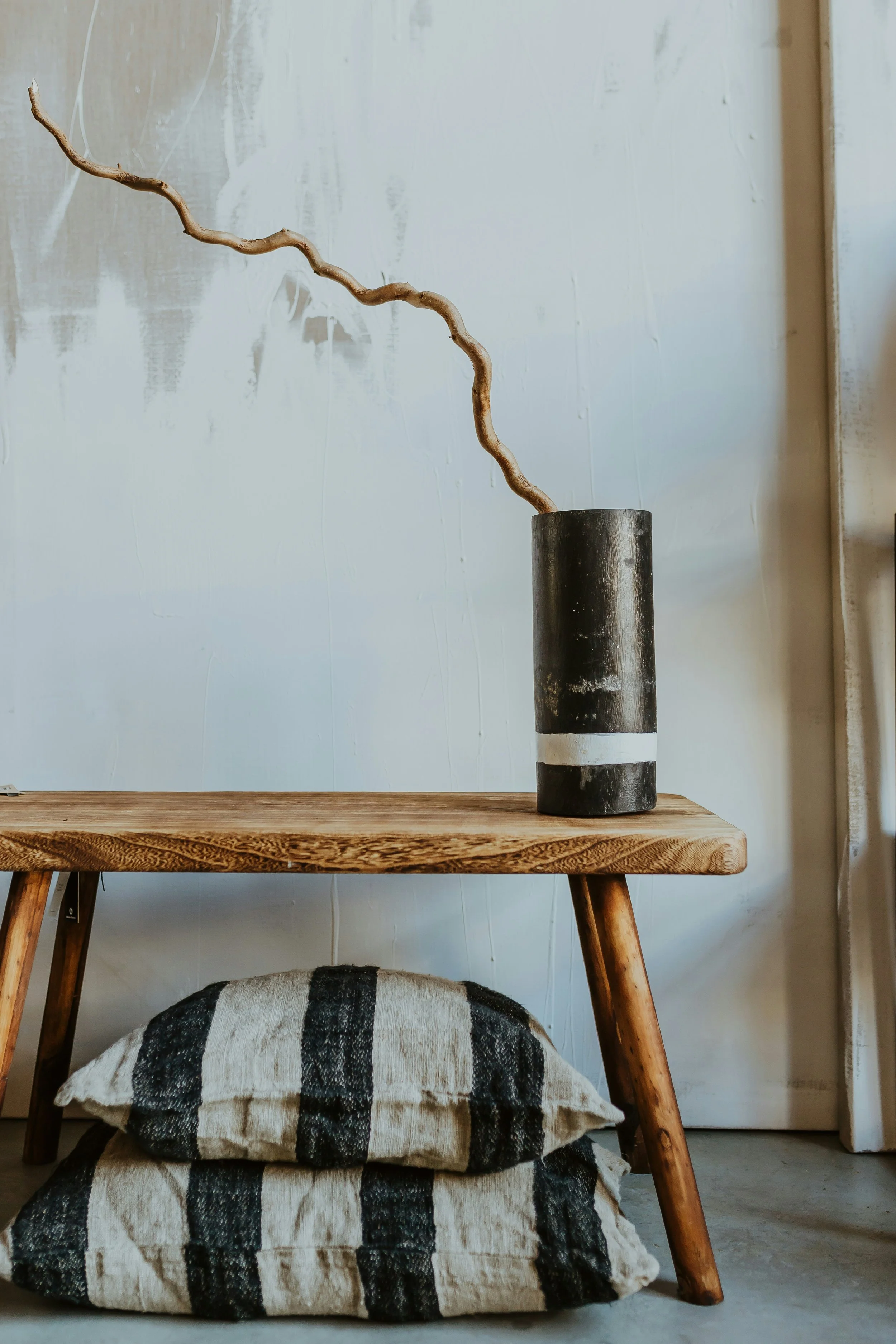
The spaces we inhabit influence us continuously, often in ways we do not consciously notice.
Air quality can affect cognitive clarity and respiratory health.
Lighting patterns influence circadian rhythms and sleep quality.
Materials in our homes can either reduce or increase exposure to chemicals that place additional burden on the body.
Noise levels, layout, and sensory input can influence whether we feel calm or overstimulated.
When these elements are aligned thoughtfully, a space can feel supportive and restorative.
When they are not, we may experience subtle but persistent friction:
difficulty sleeping
difficulty concentrating
feeling unsettled without knowing why
fatigue that does not fully resolve
While no environment can control every aspect of health, supportive spaces can reduce unnecessary stressors and create conditions that help the body function more optimally.
Restorative Living

Sana is rooted in the belief that wellness is not created through one single intervention. It is shaped by many small influences that accumulate over time.
The air we breathe.
The water we drink.
The materials we touch.
Our daily habits.
The light that signals our body when to wake and when to rest.
The environments where we spend the majority of our time.
Restorative living considers how these factors work together to support wellbeing.
Rather than focusing only on aesthetics or trends, restorative environments prioritize how a space feels to inhabit.
Calm rather than chaotic.
Supportive rather than depleting.
Grounded rather than overstimulating.
These principles can be applied to:
homes
short-term rentals
retreat spaces
hospitality environments
workspaces
Where we spend time influences how we feel. And how we feel influences how we live.
Travel Well. Live Well.
At Sana, we believe people should have the opportunity to Travel Well and Live Well.
Where every stay restores you.
Where the environments we encounter support clarity, vitality, and connection.
Where spaces are designed not only for comfort — but for wellbeing.
This is the intention behind Sana.
To help create environments that allow people to feel more like themselves again.
To support spaces that nurture health.
To contribute to a future where restoration becomes part of everyday living.
If you are interested in creating a healthier home or restorative space, you can learn more here:
Healthy Home Consulting
STR Hospitality Consulting
Or subscribe to receive new resources on healthy living environments and restorative travel.